Modern Brick Durability Enhancement for Freezing Temperatures
The winter climate across the Blue Mountains brings unique structural challenges for residential and commercial masonry. As temperatures oscillate across the zero-degree threshold, moisture trapped within porous clay or concrete bricks expands by roughly nine percent upon freezing. This recurring freeze-thaw dynamic produces internal hydraulic pressure, eventually triggering spalling, cracks, and mortar degradation. In 2026, property owners must utilize modern brick durability enhancement strategies and robust building envelope management to preserve architectural stability against sub-alpine winter weather.
The Mechanics of Freeze-Thaw Deterioration in Mountain Climates
Masonry is fundamentally breathable and porous. When rainfall or snowmelt enters exposed surfaces and night falls over the higher altitudes of the Blue Mountains, the water converts to ice within micro-fissures. Over consecutive seasons, unmitigated exposure results in sub-surface delamination, crumbling bedding joints, and compromised load-bearing strength. Proactive brick wall weatherproofing and early brick deterioration repair are essential to mitigate catastrophic wall displacement before winter sets in.
Left unaddressed, moisture penetration compromises not only individual units but the overarching brick structural integrity of the building. Effective moisture mitigation requires a multi-layered approach that pairs surface https://sergioeguq601.laurelcurrent.com/posts/essential-brick-facade-repair-steps-for-historic-properties protection with active water shedding and vapor transmission management.
Advanced Masonry Restoration and Joint Protection
Securing a masonry facade begins at the joints. Mortar is engineered to be softer and more sacrificial than the surrounding brickwork, absorbing structural and thermal movement. However, when joints become saturated and freeze, they fracture rapidly. Timely intervention through professional brick repointing services removes eroded bedding and restores flexible, frost-resistant mortar profiles.
Modern exterior preservation techniques incorporate specialized materials and methods tailored to freeze zones:
- Precision Mortar Matching: Utilizing hydraulic lime blends or vapor-permeable cementitious mixes during brick mortar restoration and brick mortar replacement to allow trapped moisture to escape before ice crystals form.
- Movement Accommodation: Executing prompt brick expansion joint repair and brick joint repair with high-performance elastomeric sealants that stay pliable in sub-freezing temperatures.
- Subsurface Stabilization: Implementing brick structural repair and, in severe cases of structural deflection, precision brick wall reconstruction to reset unstable brick courses.
- Surface Preservation: Applying silane-siloxane breathability barriers for brick erosion control and targeted brick facade repair without creating an impermeable skin that traps water inside the wall assembly.
The Integrated Envelope: Roofs, Gutters, and Ventilation Synergy
Brickwork cannot withstand freezing temperatures if the rest of the exterior envelope directs runoff straight into the walls. Masonry durability is directly tied to overhead moisture control. Faulty eaves, overflowing spouting, and uncontrolled ice damming quickly overwhelm even the highest quality brick wall maintenance plans.
A resilient structure relies on comprehensive exterior management, including:

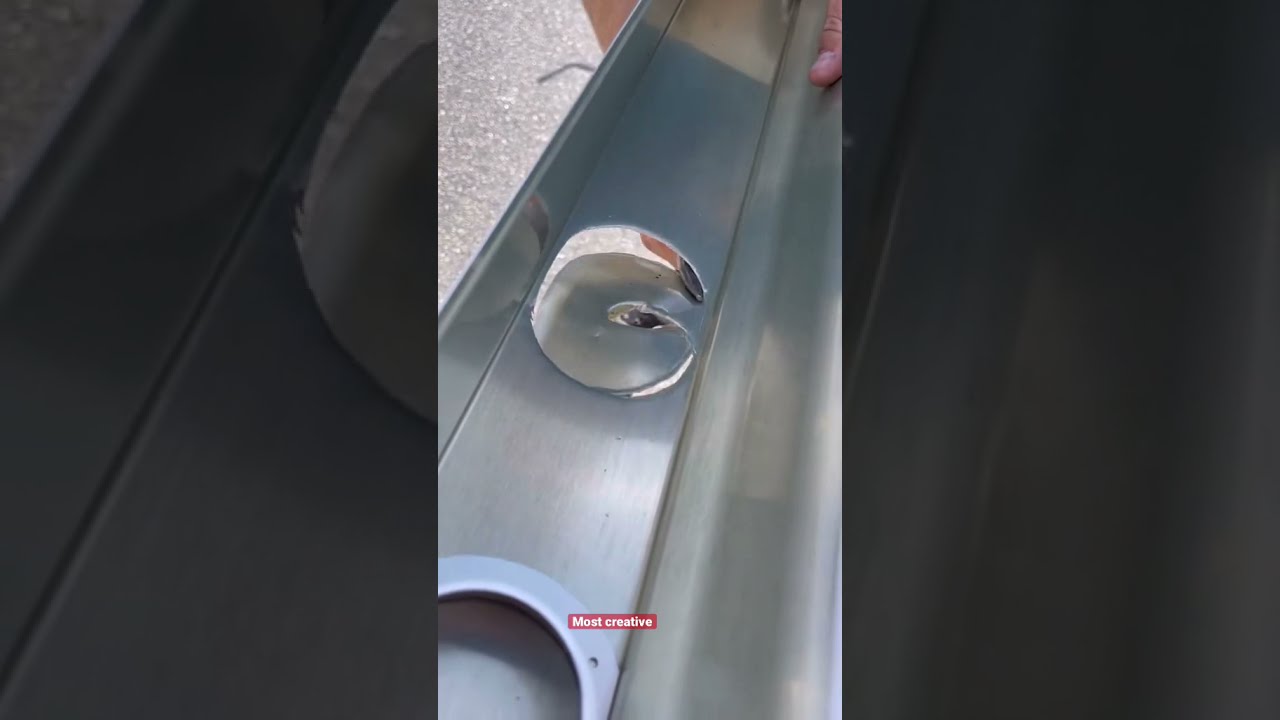
- Water Shedding Systems: Deploying advanced gutter solutions alongside precision aluminum gutter repair, damaged gutter repair, or heritage-grade copper gutter maintenance ensures runoff is moved safely away from brick parapets and wall perimeters through reliable, comprehensive drainage solutions.
- Overhead Enclosure Integrity: Integrating masonry upkeep with comprehensive roofing services, whether that calls for certified roof repair, asphalt shingle replacement, or heritage cedar shake replacement, stops water from traveling down structural cavities.
- Thermal and Vapor Regulation: Managing interior moisture through modern attic ventilation installation, customized roof ventilation, and advanced ventilation techniques prevents internal condensation from saturating exterior walls from the inside out, complementing brick thermal insulation.
Modern Sealants and Protective Coatings
Traditional non-breathable paints trap moisture within the substrate, causing dramatic spalling during freezing temperatures. Current best practices in 2026 emphasize breathable, hydrophobic barrier technology. Through targeted comprehensive wall repair and complete painting sealing, specialized micro-porous coatings shield brick facades from horizontal wind-driven rain while allowing interstitial moisture to evaporate outward.
For commercial facilities throughout the region, pairing commercial roof solutions with tailored commercial painting sealing creates an unbroken thermal and moisture shield. These comprehensive sealing solutions resist UV degradation throughout warm summers and maintain physical elasticity during freezing winter freezes.
Future-Proofing Mountain Structures for 2027 and Beyond
As climate volatility intensifies, weather shifts across the Blue Mountains will continue to challenge exterior masonry. Building resilience requires looking beyond single-element fixes. Combining structural masonry restoration, high-capacity drainage systems, and dynamic roof ventilation creates a unified envelope that prevents freeze-thaw damage. Routine seasonal assessments, paired with proactive interventions like certified roof reroofing and preventative masonry repointing, ensure properties remain structurally sound, dry, and energy-efficient through 2027 and beyond.
Top Roofer Blue Mountains
Old Bathurst Rd, Blaxland NSW 2774, Australia
(02) 4703 9006